Used Excavator Live Video Inspection: What to Check Before Paying
Release time: 2026-04-16
A used excavator can look fine in photos and still hide expensive problems.
That is why remote buyers should not rely on still images or short clips alone.
A used excavator live video inspection lets you check the machine in real time before payment, ask for specific tests, and spot issues early.

For overseas buyers, this step often determines whether a deal is safe or risky. A machine that looks clean on paper may still have weak hydraulics, heavy undercarriage wear, or an engine that sounds right only after it warms up. A live inspection helps you catch those details before payment.
Why Live Video Inspection Matters
When you buy a used excavator remotely, the biggest problem is not distance. It is paying before you know the machine’s real condition. Photos can hide oil leaks, worn tracks, slow hydraulic response, or uneven movement.
A live call changes the picture. It lets the buyer see the excavator running, ask follow-up questions, and request another angle when something looks unclear. That kind of direct verification is far more useful than a polished video tour.
What Buyers Should Check During the Live Call
Buyers usually do not need a long presentation. They need a slow, clear, step-by-step check of the parts that matter most.
| Inspection Item | Why It Matters |
| Nameplate / Serial Number | Confirms the machine’s identity |
| Hour Meter | Helps estimate actual use |
| Cold Start | Shows engine condition before it warms up |
| Hydraulic Movement | Reveals smoothness, speed, and pressure issues |
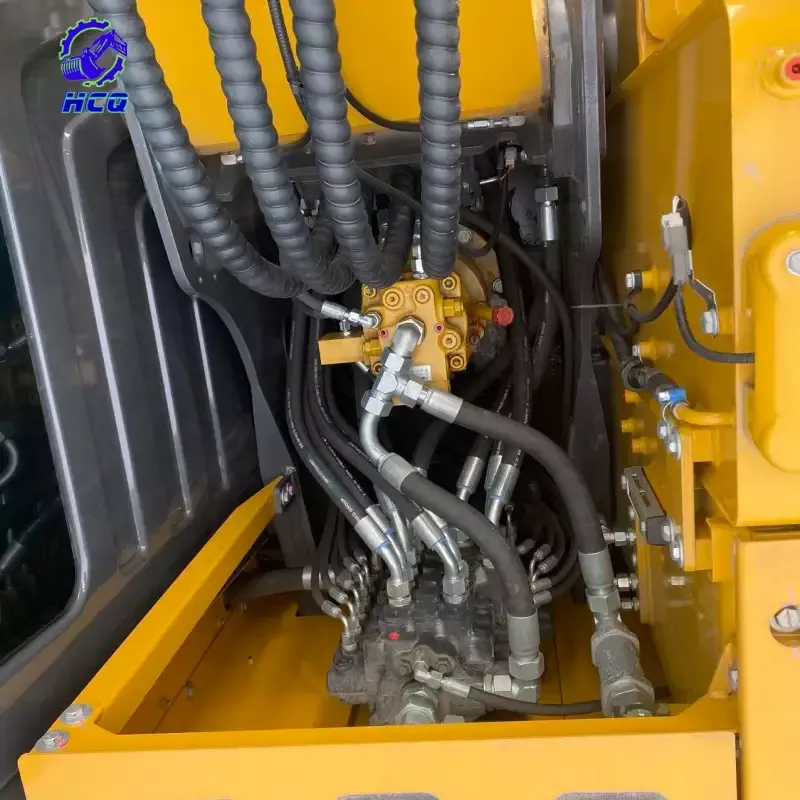
| Undercarriage / Tracks | Shows wear, damage, and heavy use |
| Swing / Travel | Helps spot instability or abnormal noise |
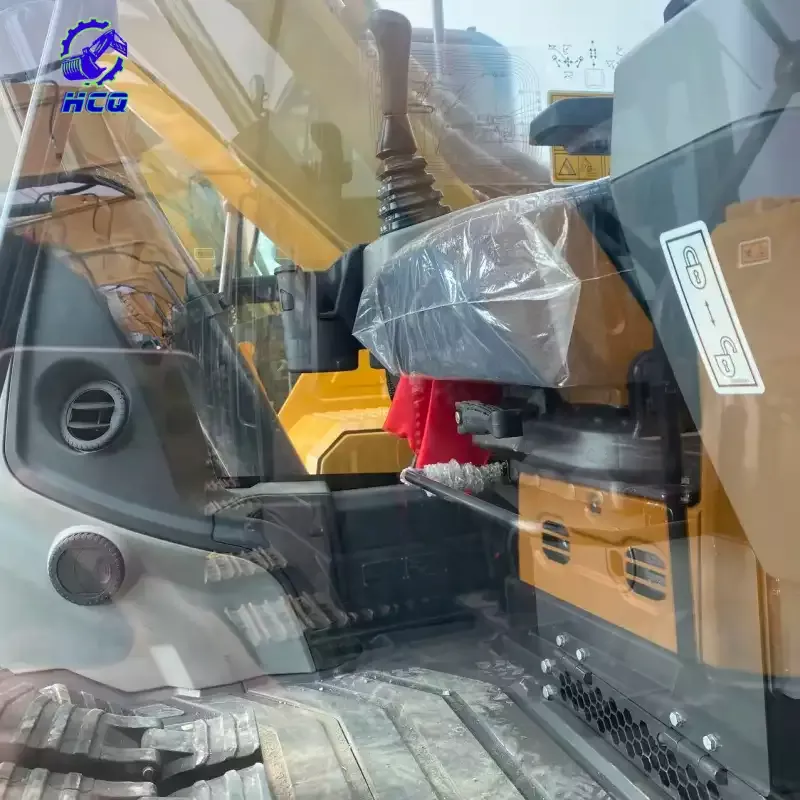
| Boom, Stick, Bucket | Confirms attachment response and function |
Do not accept a generic walkaround. Ask the seller to show each item one by one. A serious supplier should be willing to move slowly and answer while the machine is still in front of the camera.
A Better Inspection Sequence
A live inspection works best when it follows a fixed order.
- Confirm the model, serial number, and basic specification first.
- Show the nameplate and hour meter before starting the engine.
- Do a cold start and let the buyer hear the engine at idle.
- Test boom, stick, bucket, swing, and travel functions one by one.
- Finish with the undercarriage, hoses, pins, and any repair points.
This sequence matters because it reduces the chance of hiding weak spots behind a quick tour. It also makes it easier to compare one machine with another.
Is Live Video Inspection Enough?
For smaller or lower-risk deals, live inspection may be enough to move forward. For higher-value purchases, it should be treated as the first filter, not the final proof.
If the machine is expensive, the shipping route is long, or the buyer is unfamiliar with the supplier, it is smarter to combine the live call with documents and other verification. Video shows how the machine behaves. Documents help confirm what it is.
How to Judge the Supplier During the Call
The inspection is not only about the excavator. It also shows how the seller works.
A trustworthy supplier usually has no problem showing the hard parts: the startup, the undercarriage, the hydraulics, and the attachments. A weak supplier often avoids direct questions, changes the subject, or keeps delaying the parts you asked to see.
A simple credibility check looks like this:
- They answer questions directly.
- They show the machine without rushing the call.
- They are willing to repeat a test if something is unclear.
- Their video, documents, and explanation all match.
- That consistency matters more than a polished sales pitch.
Documents to Request Before Payment
Even after a good live call, buyers should not pay based on video alone. Ask for:
- Photos of the nameplate and hour meter
- A copy of the inspection recording or key screenshots
- The sales contract and payment terms
- The invoice and shipping documents
These records support the inspection and create a paper trail if questions come up later.
Red Flags You Should Not Ignore
Some warning signs are easy to spot, but buyers still overlook them when the price looks attractive.
- The seller refuses to show the undercarriage, engine start, or attachments
- The footage looks edited or oddly cut
- Questions about hours, hydraulics, or repairs are avoided
- The machine in the video does not match the documents
If the seller keeps controlling what you see, treat that as useful information. A good deal should not depend on guesswork.
Real Example: Why One Live Check Saved a Buyer
A buyer from West Africa found a used excavator at a very attractive price. On paper, it looked like a strong deal. The photos were clean, and the seller sounded confident. Still, the buyer asked for a live inspection before sending any deposit.
During the call, he requested a cold start, a full swing test, and a close look at the undercarriage. The engine started normally, but the undercarriage wear was much heavier than expected, and one hydraulic movement looked slower than the others.
That was enough to change the decision. The buyer walked away before paying for a machine that would likely have needed repairs soon after arrival.
That is the real value of a live video inspection: it helps buyers avoid paying for problems they cannot easily see in photos.
Why a Structured Live Inspection Reduces Risk
A structured inspection gives buyers more than information. It gives them a decision point while the machine is still visible.
When the session follows a clear checklist, the buyer can compare condition, ask better questions, and spot weak points before signing. That is why many serious buyers now treat live inspection as a payment checkpoint, not a courtesy service.
Companies like Huachunqiang Machinery use this kind of step-by-step process to help buyers verify engine condition, hydraulics, attachments, and undercarriage in real time. The point is not to make the machine look perfect. The point is to make the buying decision honest.
If you can send someone to the yard instead, see what a third-party inspection covers.
FAQ: Live Video Inspection for Used Excavators
Q: Can I ask to see specific parts?
A: Absolutely. Buyers should request close-ups of the undercarriage, hoses, pins, or any area that raises concern.
Q: What if the first view is unclear?
A: Ask for a second angle, a slower movement, or another short test before making any decision.
Q: When should payment happen?
A: Only after the buyer confirms the machine, checks the documents, and agrees to the contract terms.
Final Call to Action
If you are buying a used excavator remotely, do not rely on photos alone.
Start with a used excavator live video inspection, follow a checklist, and verify the machine before payment.
This simple step helps reduce risk and ensures you are paying for the machine you actually see.