


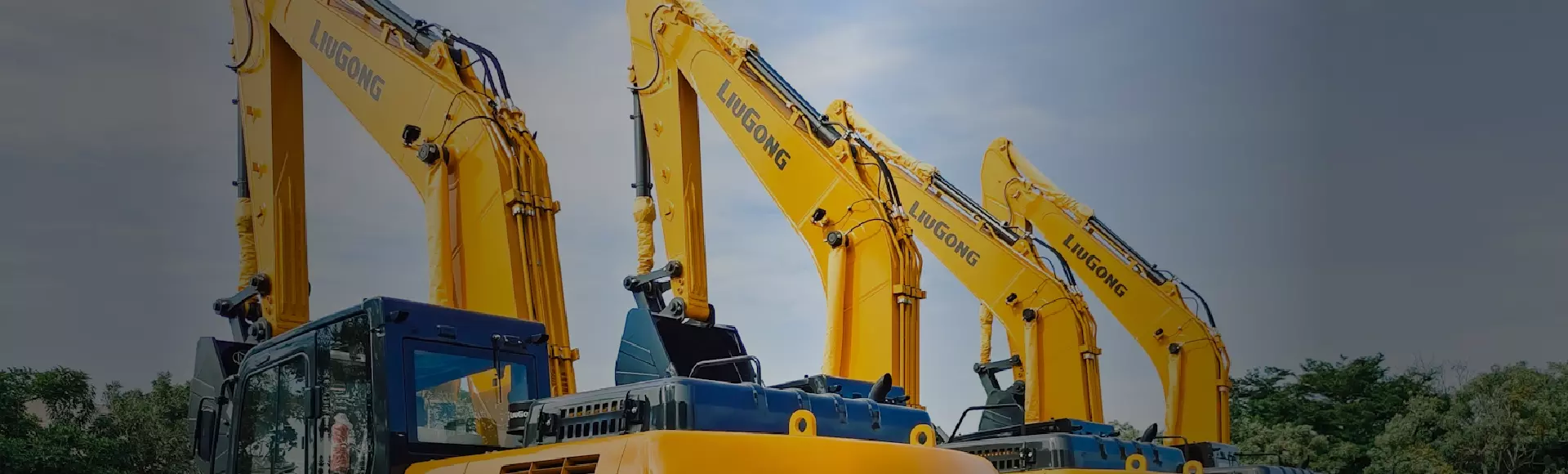
Redefining Productivity: How to Choose Used Excavators in the Smart Era
Release time: 2026-01-22
Introduction
As the construction industry advances toward digitalization and intelligence, the used excavator market is undergoing a significant value transformation. The latest intelligent models from leading brands such as Caterpillar and Komatsu have entered the secondary market, offering cost-effective and technology-rich options for discerning investors.
1. Value Discovery in Smart Used Excavators
Intelligent used excavators produced after 2018 offer notable advantages:
- Validated Fuel Efficiency: Models equipped with intelligent hydraulic systems, such as the Cat® 320 Next Gen, demonstrate 15–20% lower fuel consumption compared to previous generations. This advantage translates into direct operational cost savings in the secondary market.
- Proven Performance Reliability: After thousands of hours of operation, key performance metrics—such as productivity and digging force retention—can be accurately evaluated, reducing the uncertainties often associated with new equipment.
- Enhanced Operator Experience: Advanced cabins improve operator comfort and ease of use, helping to attract and retain skilled operators—a critical advantage in today’s labor-constrained market.
2. Key Considerations for Digital-Enabled Machines
When selecting an intelligent used excavator, focus on the following digital features:
- Data Traceability: Ensure the machine has complete operational and maintenance records accessible through the manufacturer’s telematics system (e.g., Cat® Connect). Avoid machines with missing or inconsistent data history.
- System Compatibility: Verify whether digital functions remain accessible under new ownership. Some brands may require service transfer procedures to maintain full connectivity.
- Sensor Integrity: Inspect all sensors, cameras, and monitoring systems to confirm they are fully operational, as these form the foundation of intelligent machine functions.
3. Special Considerations for Smart Used Equipment
- Software Licensing: Some advanced features may require ongoing software subscriptions. Clarify related costs and transfer processes.
- Historical Data Analysis: Request access to historical alerts, fault logs, and maintenance reports to assess prior usage patterns and care standards.
- Firmware Updates: Check the current firmware version. Outdated systems may affect performance, efficiency, or safety compliance.
4. A Framework for Smart Investment Decisions
- Total Cost of Ownership Analysis: Compare price differences between intelligent and conventional used models, and calculate the payback period based on projected fuel savings and productivity gains.
- Technical Support Availability: Confirm the availability of local technical support and spare parts for the specific intelligent model in your region.
- Resale Value Assessment: Intelligent machines generally retain higher residual value and offer stronger resale prospects.
5. Upgraded Inspection Process
- Digital Diagnostics: Beyond traditional mechanical checks, perform electronic control system diagnostics and review operational parameters from the machine’s onboard computer.
- Functional Verification: Test intelligent operating modes, data synchronization, remote monitoring, and other digital features to ensure they work as intended.
- Documentation Review: Secure all digital account credentials, access rights, and relevant technical documentation as part of the transfer process.
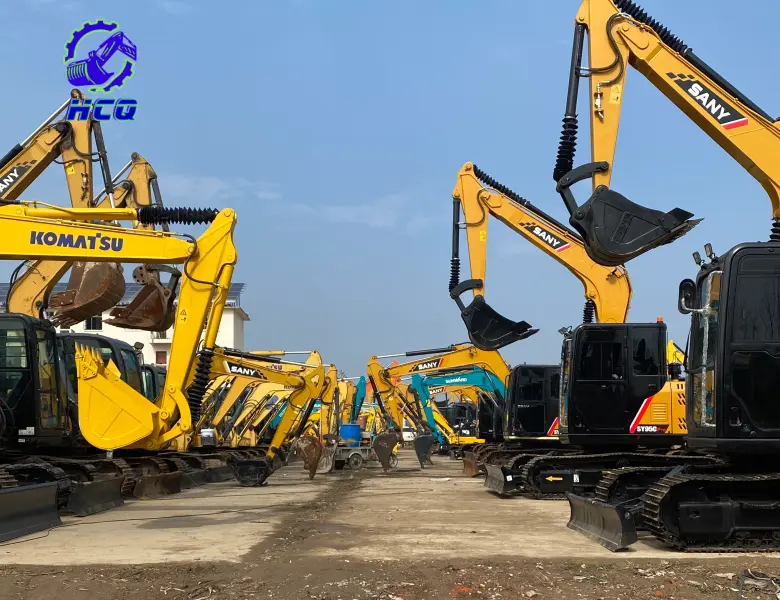
Conclusion
Choosing a used excavator is no longer just about mechanical condition—it is a strategic decision that balances hardware reliability with digital value. Smart used equipment offers investors an opportunity to access advanced productivity at a reasonable cost, but it demands a more informed and technical approach to evaluation. In this digital age, a successful investment depends not only on selecting a robust machine but also on harnessing the data-driven potential it carries

