


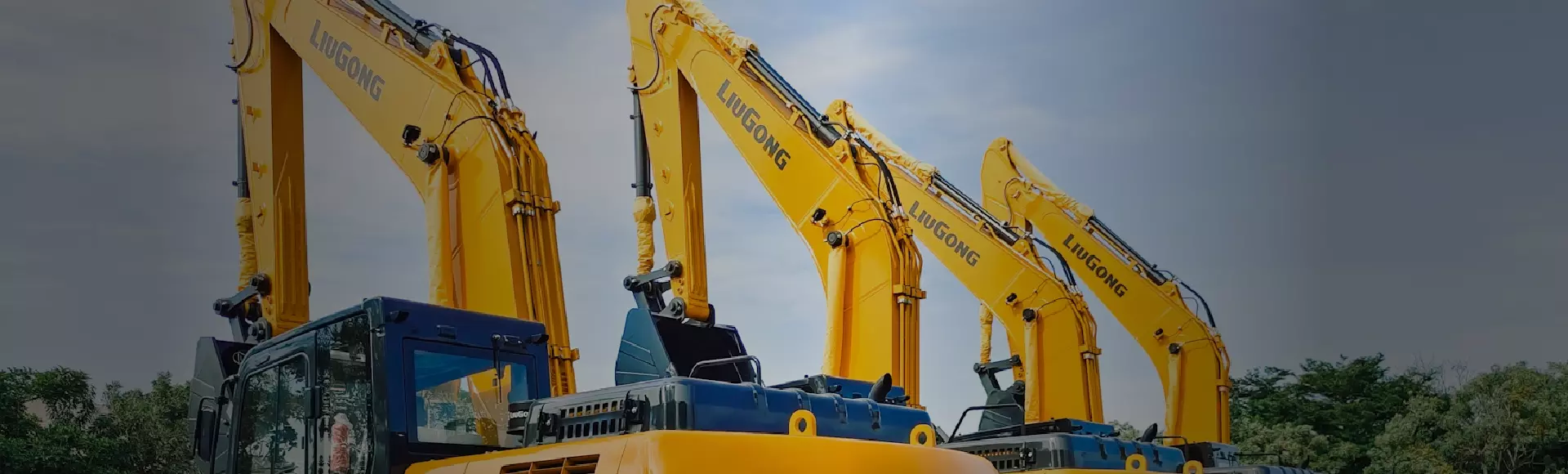
Como comprar uma escavadeira usada da China: Lista de verificação para inspeção
Data de lançamento: 24/07/2025
How do you buy a used excavator from China?
Start by confirming the supplier and the specific machine available. Ask for current photographs and the model or identification details, then discuss operating videos or additional checks if needed. Confirm the included attachments and record the selected machine in a written quotation. Provide the destination port so the supplier can clarify the shipping scope. Clean paint and a low displayed hour reading are useful observations, but do not establish the machine’s full operating history.
Updated 9 October 2026. Published by HCQ. Prepared with AI assistance using the linked manufacturer guidance and HCQ’s published information; approved for publication by the HCQ website administrator.
Where should you look for a used excavator?
Manufacturer and dealer used-equipment sites, independent machinery suppliers, equipment marketplaces and auction platforms offer different buying channels. Compare the available machine details and what each quotation includes. Service history and inspection documents may not be available for every second-hand machine; ask the supplier what information can be provided rather than assuming a listing includes a complete report.
HCQ’s used excavator listings provide a starting point for comparing available equipment. Ask whether a listing is still available before arranging a visit, inspection or shipping quotation.
Which machine details are useful before purchase?
| Evidence | What it helps you check | What it does not prove alone |
|---|---|---|
| Machine serial plate and engine identification plate | The identity and fitted engine of the selected unit | The full repair or ownership history |
| Hour-meter photograph and available service records | The recorded reading and supporting maintenance information | That the displayed reading is the complete lifetime usage |
| Current exterior and component photographs | Visible wear, included equipment and areas needing closer inspection | Internal component condition or performance under load |
| Operating videos and inspection findings, if available | Observed operation and any documented findings for that unit | A guarantee that no future fault will occur |
| Written quotation and equipment list | The selected machine, included attachments and agreed commercial scope | Import eligibility at the destination |
Used excavator inspection checklist
Use a competent inspector and follow the safety instructions for the exact machine. Operating checks require a safe location and a qualified operator. The manufacturer’s operation and maintenance manual takes priority over a generic checklist.
- Identity and records: compare the machine and engine plates with the listing and quotation; record the hour-meter reading and request available service information.
- Material rodante: inspect tracks, rollers, idlers, sprockets and visible damage. Ask for measured wear information where available.
- Structure and attachments: examine the boom, stick, bucket and visible repair areas. Check pins and linkages for wear or movement that needs investigation.
- Engine and cooling: request an appropriate starting and operating check; look for visible leaks, abnormal indications and maintenance issues.
- Hydraulics and controls: inspect hoses and cylinders, and have the inspector check the functions needed for your work. A photograph of a coupler does not establish hydraulic attachment compatibility.
- Cab and safety equipment: check access, controls, warning indications, seat and fitted safety equipment. Confirm the operation of any advertised heating or air conditioning.
For manufacturer guidance on recurring inspection areas, see Caterpillar’s excavator maintenance checklist. Maintenance guidance helps structure an inspection; it is not a certificate or warranty for a used machine sold by HCQ.
How do you compare specifications between used machines?
Match the model, production version, engine, attachments and regional configuration before comparing specifications. Manufacturer reference figures describe a configuration, not the measured condition of the advertised unit. Check the nameplate and inspection evidence, and clarify whether the quoted dimensions and weight include the bucket or other equipment.
What should you confirm for export and shipping?
Provide the destination port and the equipment configuration you intend to buy. Confirm the transport dimensions, included attachments, loading method, documents and the commercial terms in the quotation. Dispatch time is different from transit time and customs clearance time; the schedule depends on the selected machine and route. Obtain destination-specific requirements from your importer or customs broker rather than relying on a general website promise.
Can you judge condition from new paint or low recorded hours?
Appearance and recorded hours help with an initial review, but they do not show everything about a used excavator. Compare the visible condition with operating videos and any additional checks you arrange. Ask about wear or repairs in the areas that matter for your intended work.
How do you request an HCQ quotation?
Send the model or listing URL, intended application, preferred size, attachment requirements and destination port through HCQ’s contact page. Confirm current availability and ask which photographs, videos or inspection arrangements are available. HCQ is an independent construction machinery supplier based in Hefei, China; a listing of a manufacturer’s machine does not imply manufacturer certification or dealer authorisation.
For compact loading applications rather than excavating, compare the used skid steer loader listings and our skid steer specification buying guide.
Existing equipment photographs
The original gallery below includes excavators and road rollers. These photographs illustrate equipment types, not inspection results or current stock availability.


