How to Choose the Most Suitable Excavator for You?
Release time: 2025-12-01

1. Clarify Project Requirements
Firstly, determine the project requirements. Different types of excavators are suitable for different working environments and tasks.
Small excavator: suitable for narrow spaces and tasks that require precise operation, such as urban construction and infrastructure projects.
Medium sized excavator: suitable for various small to medium-sized construction and earthwork projects.
Large excavator: suitable for heavy earthmoving operations, such as mining and large construction projects.
2. Check the Service Life and Operating Time of the Equipment
Age: Second hand excavators usually mean less wear and longer service life, but you should also consider whether you have sufficient maintenance records.
Operating hours: Refers to the actual working hours of the equipment. If the device runs for too many hours, there may be severe wear and tear.
3. Maintenance and Service Records
A good maintenance record is a key factor when purchasing second-hand excavator equipment. It is essential to ensure regular maintenance and upkeep of equipment, especially critical components such as hydraulic systems, engines, and transmission systems. Lack of good maintenance records may indicate potential risks of malfunctions.
4. Check Key Components
Engine: The engine is the heart of the excavator. Check if the engine starts smoothly, runs steadily, and if there are any abnormal noises or vibrations.
Hydraulic system: The hydraulic system is a key component of the excavator. Check if the hydraulic oil is clean, if the pressure is stable, and if there are any leaks.
Track and bucket: Check the track for excessive wear, cracks, and damage. Check for severe wear or damage to the bucket and boom.
5. Consider the Technical Characteristics of the Equipment
Modern second-hand excavators may be equipped with advanced technologies such as GPS positioning systems and automation control systems. These technologies can improve work efficiency and reduce operational errors. It is crucial to understand whether the equipment is equipped with such functions, as they can improve job accuracy and safety.
6. Brand and Supplier Reputation
Choosing a second-hand excavator from a well-known brand is usually more secure, as equipment from well-known brands is usually more durable. Their spare parts and repairs are also easier to obtain. Collaborating with reputable second-hand excavator suppliers is crucial to ensuring quality. A reliable supplier will provide detailed inspection reports and after-sales support.
7. Budget Considerations
Choose the equipment based on your budget. Although second-hand excavators are more cost-effective than new ones, it is important to ensure that the equipment has a good cost performance ratio to avoid purchasing low-quality equipment simply because of its low price.
For many construction projects, purchasing second-hand excavators is a practical and cost-effective solution. By carefully evaluating factors such as project requirements, equipment condition, technical characteristics, and brand reputation, you can make wise decisions and ensure that your investment will bring you substantial returns in the coming years. Huachunqiang machinery provides you with carefully selected second-hand excavators that are reliable in performance, reasonably priced, and can help your project proceed smoothly and efficiently.
8. Adaptability Analysis of Working Conditions
Different working conditions have differentiated requirements for the performance, configuration, and durability of excavators. Choosing the appropriate model can significantly improve efficiency and reduce operating costs.
Earthwork excavation and general construction sites require versatile equipment, with medium-sized excavators (such as 20-30 ton class) being more suitable. Attention should be paid to the smoothness of equipment operation and fuel economy. Brands such as كاتربيلر و كوماتسو have a good reputation in this field, with sturdy structures.
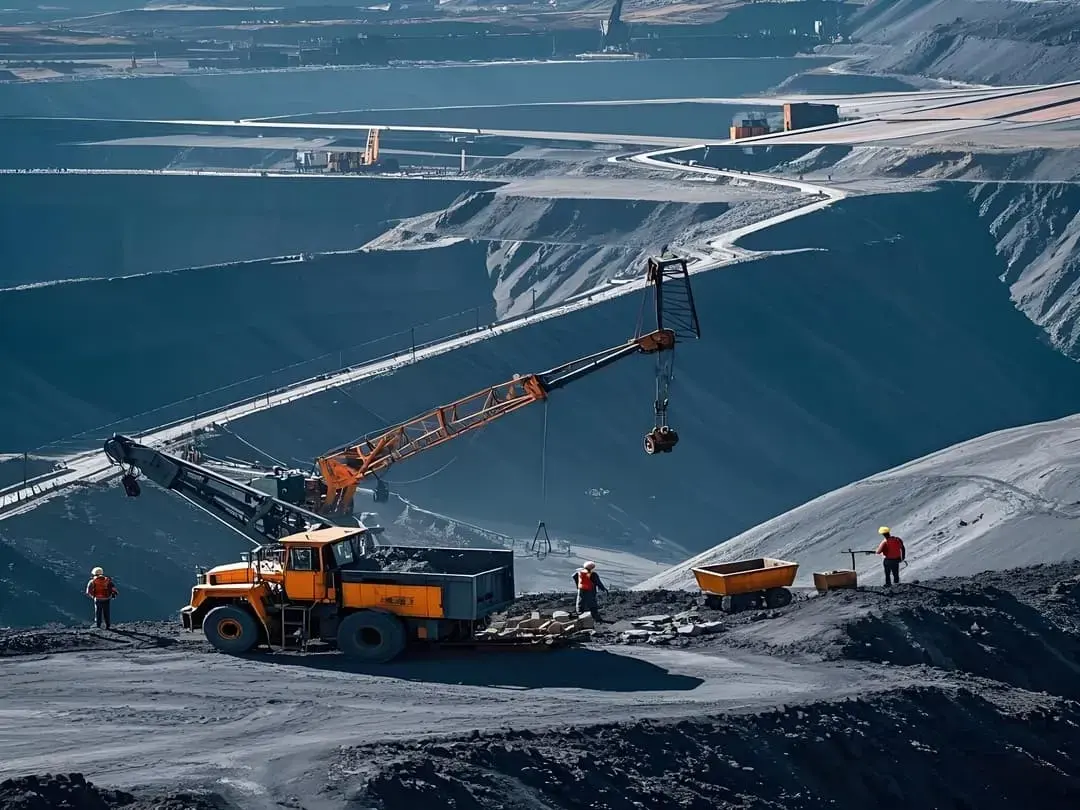
Mines and quarries: Large and heavy-duty excavators (usually over 30 tons) must be selected. It is recommended to focus on كاتربيلر و هيتاشي‘s mining specific models, which typically have stronger durability and higher pressure hydraulic systems.
Municipal, greening, and pipeline laying: The space is narrow, requiring high equipment mobility, low noise, and low ground pressure. دوسان و Volvo‘s mini machines are known for their flexibility and operational comfort.
Demolition operation: requires strong stability and special protective devices. Medium sized and above excavators should be selected, and it should be confirmed whether they can install dismantling arms. كوبيلكو‘s dismantling models are highly recognized in the market.
River dredging and wetland operations: It is necessary to use extended arms or swamp specific track shoes to reduce ground pressure. ساني و هيونداي offer a wide range of options for such adaptive modifications, with high cost-effectiveness.
Ports and logistics yards: The working conditions are relatively flat but the continuous operation time is long, requiring high reliability and long-term continuous operation capability of equipment. Volvo و كوماتسو‘s equipment have shown outstanding performance in fuel consumption control and stability.